

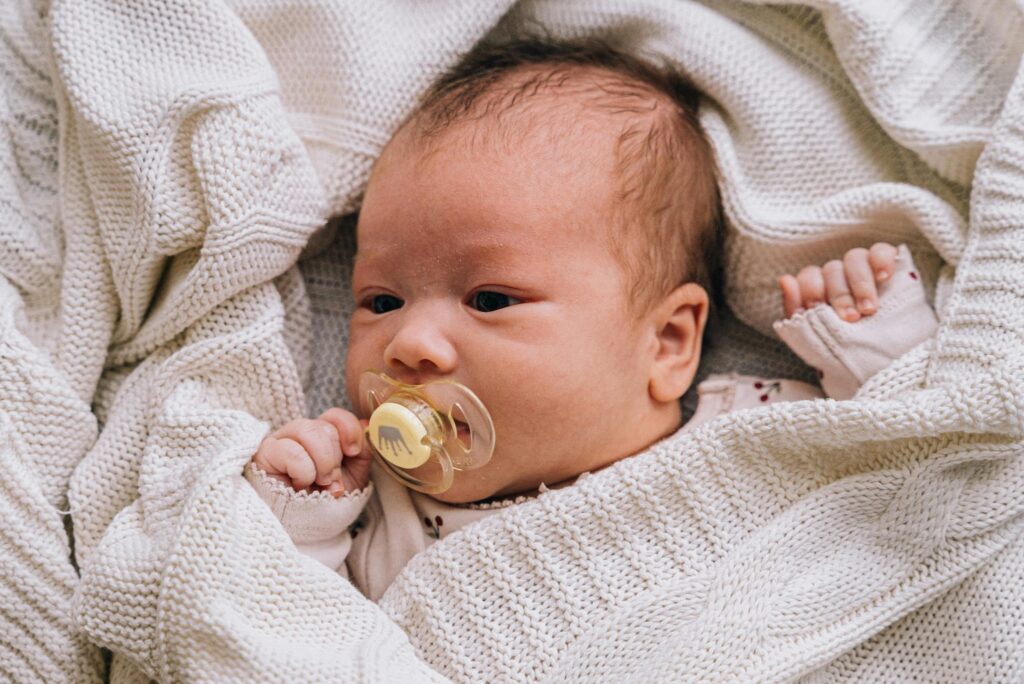
A baby pacifier can be a lifesaver during fussy periods—helping to settle your little one between feeds, during naps, or while out of the house. But with so many shapes and claims, it’s easy to feel unsure about what actually matters. The best approach is simple: choose a pacifier that fits your baby’s age and mouth size, prioritise comfort and safety, and keep hygiene routines realistic.
What is a baby pacifier?
A baby pacifier (also called a soother or dummy in the UK) is a small, baby-safe device designed to satisfy a baby’s natural sucking reflex. It can help calm babies, offer comfort when they’re overstimulated, and support self-soothing—especially during sleep or transitions like car rides.
When should you introduce a baby pacifier?
Many parents wait until breastfeeding is established before offering a pacifier, while others use one earlier for short soothing moments. What matters most is watching your baby’s feeding and settling patterns and keeping pacifier use purposeful rather than constant.
Good times to offer a pacifier include:
- When your baby wants comfort after a full feed
- During short naps or bedtime routines
- On-the-go moments when feeding isn’t practical
If your baby frequently wants to suck, it doesn’t automatically mean they’re hungry—but always check feeding cues first.
Benefits of using a baby pacifier
When used thoughtfully, a baby pacifier can support everyday routines:
- Soothing and comfort: Helps calm fussiness and supports settling.
- Sleep support: Can become a predictable part of bedtime routines.
- Less reliance on feeding for comfort: Useful for babies who seek sucking to self-regulate.
The biggest “benefit” for most families is practical: a calmer baby can mean a calmer home.
How to choose the right baby pacifier
A pacifier should feel natural in your baby’s mouth and be easy to keep clean.
Look for:
Age-appropriate sizing: A shield or teat that’s too large can cause discomfort.
Soft, flexible teat: Comfort matters, especially for frequent soothers.
Ventilation holes on the shield: Helps reduce moisture build-up against the skin.
One-piece or easy-to-clean design: Fewer parts typically mean easier hygiene.
Comfortable shield shape: A shape that sits well under the nose and against the cheeks can reduce rubbing.
Also consider how easily your baby holds it (as they get older) and whether the shape seems to fit their mouth without pushing the lips outward.
Hygiene and safety tips parents actually use
To keep pacifier use safer and simpler:
- Wash and sterilise regularly, especially for younger babies.
- Inspect for tears, stickiness, or changes in texture and replace when worn.
- Avoid tying pacifiers with long cords around the neck.
- Keep spares in a clean case so you’re not rinsing in public toilets.
Conclusion: soothing can be simple with the right choice
A baby pacifier can be a practical tool for comfort and sleep—when you choose the right size, keep it clean, and use it with intention. If you’re ready to compare options by stage, explore Pigeon’s range here: baby pacifier.