

Learn how desludging services kl help maintain hygiene, prevent blockages, and support wastewater system performance
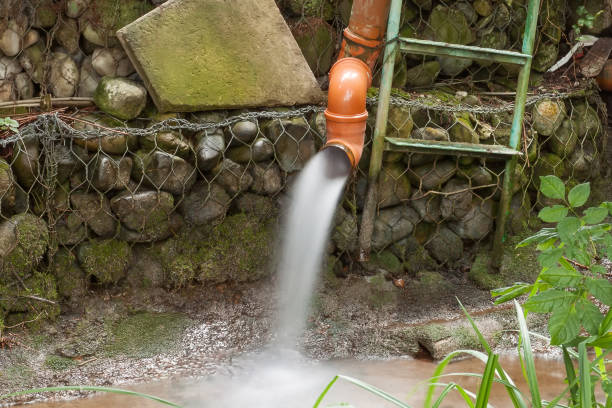
Desludging Services KL
Proper wastewater maintenance is essential for residential buildings, commercial premises, and industrial sites. In a dense urban environment, sewage and septic systems must be managed carefully to avoid operational problems and hygiene concerns. This is why desludging services kl remains an important part of routine property maintenance. By removing accumulated sludge and waste from tanks and related systems, these services help properties maintain cleaner and more efficient wastewater operations.
Many property owners only pay attention to desludging when a visible issue appears. In practice, waiting for warning signs can create more disruption and increase maintenance costs. Sludge builds up gradually over time, reducing tank capacity and affecting normal flow. If not removed at suitable intervals, this buildup can contribute to unpleasant odours, slow drainage, backups, and added stress on the surrounding infrastructure.
Why Regular Desludging Matters
Desludging is not only about solving current problems. It is also about preventing future ones. Regular desludging services kl helps maintain the working condition of septic tanks and sewage holding systems by ensuring waste does not accumulate beyond manageable levels. This supports daily functionality and reduces the likelihood of emergency servicing.
For commercial properties, routine maintenance can be even more important. Restaurants, office buildings, retail outlets, and industrial premises often produce substantial amounts of wastewater. When a system is not cleaned on time, the impact may extend beyond maintenance issues and affect general operations. In residential settings, proper desludging supports household sanitation and lowers the risk of inconvenient drainage failures.
Another advantage of scheduled servicing is asset protection. Repairing or replacing wastewater infrastructure can be costly. Removing sludge before it causes system strain can help extend the usable life of the tank and connected components.
Signs a Property May Need Attention
The required frequency of service depends on several factors, including tank size, number of users, type of activity, and daily wastewater volume. Even so, there are common signs that suggest a property may need servicing soon. These include slow-flushing toilets, recurring drainage problems, foul smells, and wet patches around the tank or piping area.
When such issues appear, early inspection is usually the practical response. Property owners exploring desludging services kl should look for providers that can assess the condition of the system clearly and recommend suitable maintenance intervals. A structured approach is generally more manageable than responding only when problems become urgent.
Choosing a Suitable Service Provider
Selecting the right service provider involves more than checking availability. Experience, equipment, communication, and process transparency all matter. A professional contractor should be able to explain the scope of work, identify the likely cause of recurring issues, and advise on how often the system should be maintained.
It is also useful to work with a provider that understands different property requirements. A small residential site may need a different servicing approach from a larger commercial or industrial facility. Clear service recommendations and dependable scheduling can make long-term maintenance easier to manage.
Conclusion
In general, desludging services kl are a practical requirement for maintaining safe and efficient wastewater systems. Regular sludge removal helps prevent blockages, reduce odours, and support the long-term condition of tanks and drainage infrastructure. For both homes and businesses, planning for desludging services kl as part of routine maintenance is a sensible step toward cleaner operations and fewer unexpected disruptions.