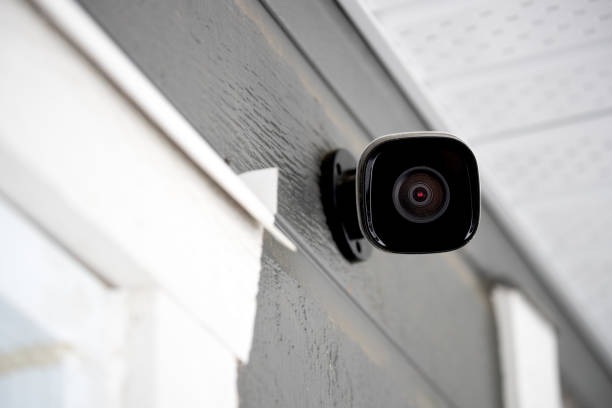
House Security Cameras: Protecting Your Home with Smart Surveillance
Ensuring the safety of your home and family is a top priority for many homeowners, and installing house security cameras is one of the most effective ways to monitor your property. These systems help deter intruders, provide peace of mind and offer valuable evidence in the event of suspicious activity. With advancements in technology, modern surveillance cameras are more accessible, reliable and feature-rich than ever before, making them a practical choice for homeowners of all experience levels.
If you’re looking for comprehensive advice on selecting and using these systems, many people choose to explore a detailed resource like house security cameras to understand what features matter most and how to get the best performance based on your needs.
Why Choose House Security Cameras for Your Property
One of the primary reasons homeowners invest in house security cameras is deterrence. Visible cameras act as a psychological barrier to potential intruders, making properties with surveillance systems less appealing targets. In addition to deterring crime, cameras can capture details that assist law enforcement in identifying suspects or understanding the circumstances around an incident.
Beyond security concerns, many families use house security cameras to monitor everyday activities, such as checking in on children after school, watching pets during the day, or ensuring deliveries are not tampered with at the front door. The flexibility of modern systems makes them useful for both safety and convenience.
Key Features to Look For in Security Systems
When exploring options for house security cameras, it helps to consider features that enhance overall performance and usability. Some of the important capabilities include:
- High-resolution video: Clear footage helps identify details like faces or license plates.
- Night vision: Infrared or low-light performance ensures visibility even in darkness.
- Remote access: Mobile app integration allows homeowners to view live or recorded footage from anywhere.
These features contribute to a more reliable and user-friendly surveillance experience. Understanding what you need — whether basic monitoring or advanced analytics — will guide you in selecting the right system.
Placement and Installation Considerations
Proper placement of house security cameras is critical for optimal coverage. Common areas to monitor include entry points such as front doors, back doors, windows and driveways. Ensuring cameras are positioned at the right height and angle reduces blind spots and maximises the usefulness of the footage.
Installation can be done as a DIY project for simpler systems, or you can choose professional installation for more complex setups. Whether wired or wireless, ensuring stable power and network connections will help maintain consistent performance.
Monitoring and Integrating with Smart Home Technology
Today’s house security cameras often integrate with broader smart home systems. This integration enables a seamless approach to home security, allowing features such as:
- Motion detection alerts sent directly to your phone
- Integration with smart locks or alarm systems
- Cloud storage for easy access to recorded clips
Such connectivity enhances situational awareness and helps you respond faster to unusual activity.
Conclusion
Investing in house security cameras is a proactive step toward protecting your property, family and peace of mind. By focusing on essential features like resolution, night vision and remote access, and by understanding the best places to install cameras, you can build a reliable surveillance system tailored to your needs. Trusted resources and guides help you make informed decisions, ensuring your home security setup delivers real value and enhances your overall sense of safety.
